
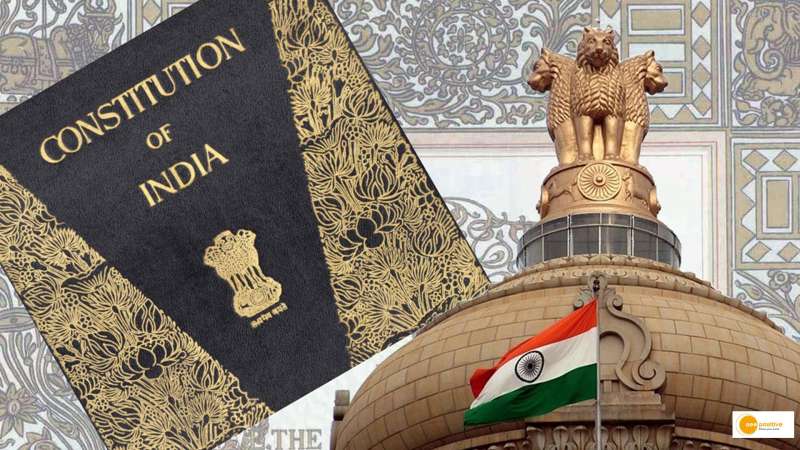
Indian Legal and Constitutional History is not just a story of laws and documents—it’s a reflection of civilization, struggle, reform, and transformation. From ancient systems of justice to the modern Constitution, India has evolved through centuries of political change, colonial influence, and democratic aspirations.
India’s legal and constitutional history is a fascinating journey that stretches from ancient dharmashastras to the modern Constitution of 1950, reflecting centuries of cultural, political, and colonial influences.
It shows how Indian Legal and Constitutional History evolved from customary law and religious codes to a codified, democratic framework that governs one of the world’s largest and most diverse nations.
Ancient Indian Legal System – The Beginning
Indian Legal and Constitutional History before modern courts and constitutions, India had a well-structured legal system.
Ancient texts like:
- Manusmriti
- Arthashastra
guided governance and justice.
👉 The Arthashastra, written by Chanakya, described laws related to administration, taxation, and punishment.
Key Features:
Indian Legal and Constitutional History kay feature is:
- King was the supreme authority
- Laws based on religion (Dharma)
- Local customs played a big role
🕌 Medieval Period – Islamic Influence
- Delhi Sultanate & Mughal Empire: Introduced Islamic law (Sharia) alongside Hindu traditions.
- Qazis & Muftis: Judicial officers appointed to administer justice.
- Hybrid System: Hindu law applied to Hindus, Islamic law to Muslims, creating a pluralistic framework.
🇬🇧 Colonial Era – British Legal System
- East India Company Courts (1600–1833): Initially ad hoc, with wide discretion.
- Codification: Major reforms like the Indian Penal Code (1860), Civil Procedure Code, and Evidence Act standardized law.
- High Courts Act (1861): Established High Courts in Calcutta, Bombay, and Madras.
- Government of India Act (1935): Provided provincial autonomy and laid groundwork for federal structure.
📖 Independence & Constitution of 1950
Indian Legal and Constitutional History independence as:
- Indian Independence Act (1947): Ended British rule, created India and Pakistan.
- Constituent Assembly: Drafted the Constitution under Dr. B.R. Ambedkar’s leadership.
- Adoption: Constitution came into force on 26 January 1950, establishing India as a sovereign, democratic republic.
Freedom Struggle and Legal Awareness
As the independence movement grew, legal awareness also increased.
Leaders like:
- Mahatma Gandhi
- Jawaharlal Nehru
used law as a tool to fight injustice.
Movements like:
- Civil Disobedience
- Quit India Movement
challenged unjust British laws
⚖️ Key Features of the Constitution
- Fundamental Rights: Guarantee equality, freedom, and protection against discrimination.
- Directive Principles of State Policy: Guide governance toward social justice and welfare.
- Judicial Review: Supreme Court empowered to strike down unconstitutional laws.
- Federal Structure: Balance between Union and State powers.
- Amendments: Constitution is flexible, with over 100 amendments adapting to changing needs.
📊 Modern Developments
- Public Interest Litigation (PIL): Expanded access to justice for marginalized groups.
- Judicial Activism: Courts increasingly intervene in governance and rights protection.
- Challenges: Backlog of cases, need for legal reforms, balancing tradition with modernity.
✨ Conclusion
India’s legal and constitutional history reflects a unique blend of tradition, colonial influence, and democratic ideals. From village panchayats to the Supreme Court, the journey highlights resilience and adaptability. The Constitution of 1950 remains the cornerstone, ensuring justice, liberty, and equality while evolving with society’s needs
Indian legal and constitutional history is a journey of transformation—from ancient traditions to a modern democratic system.
Leaders like B. R. Ambedkar and Mahatma Gandhi played a major role in shaping the legal framework we follow today